
CEIA SAMD Shoe Metal Detector
Streamlines screening by eliminating shoe removal during inspection. Analyzes footwear worn by passengers using non-ionizing electromagnetic fields. Reduces manual shoe inspections by up to 10 times. Integrates with walk-through metal detector gates. 2-second analysis time. EU aviation security compliant.
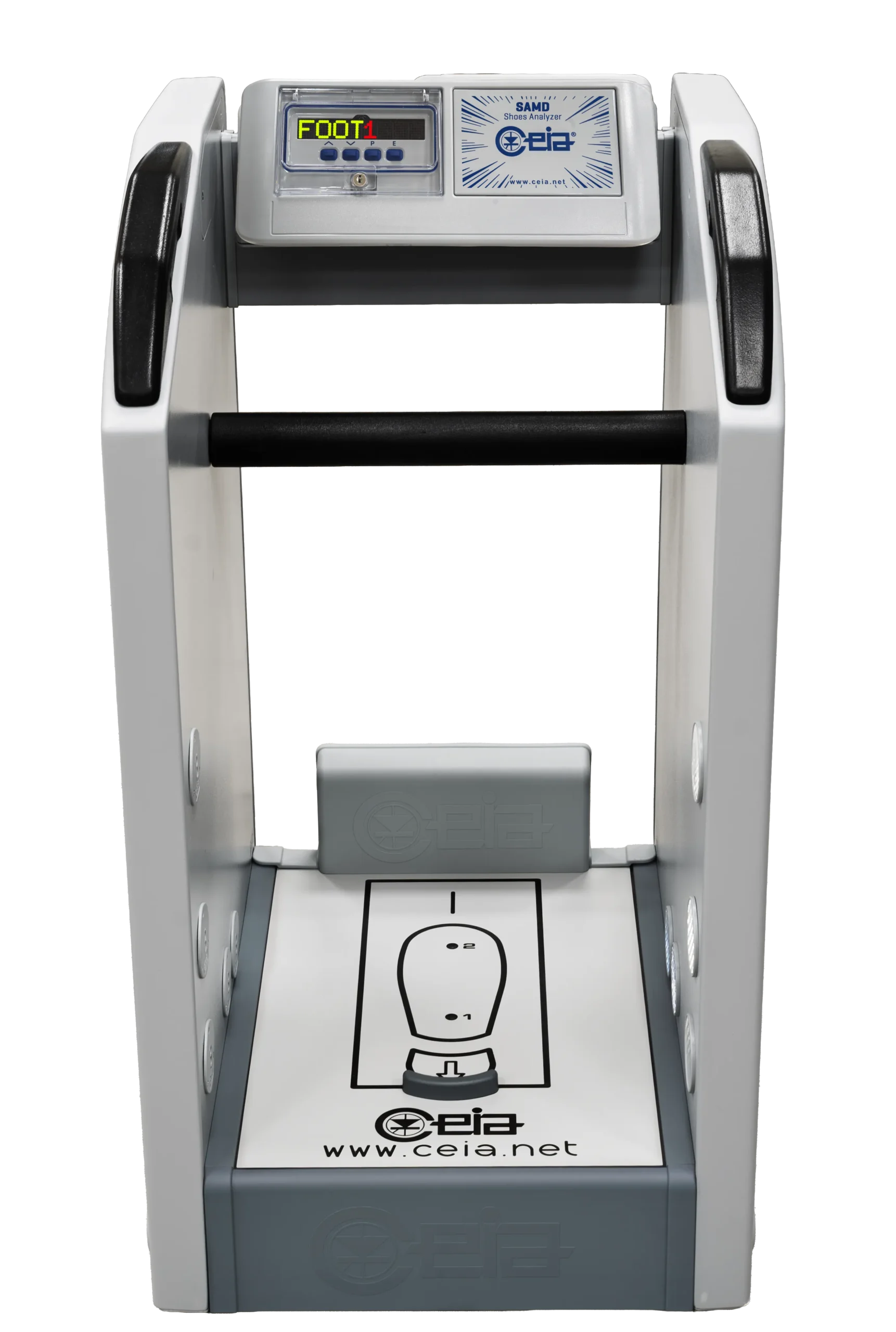
Automatic Shoe Screening Without Removal
The CEIA SAMD Shoe Metal Detector streamlines screening by eliminating the need to remove shoes during inspection. It checks footwear while worn using low-frequency, non-ionizing electromagnetic fields that are completely harmless. At high walk-through metal detector security levels, footwear containing metal often triggers alarms that require manual secondary screening.
The SAMD analyzes shoes to automatically detect weapons while distinguishing them from normal shoe metal components, with an approximately 2-second analysis time, the system supports high passenger throughput. The SAMD also supports programmable random-alarm functionality and offers strong discrimination between weapons and non-metallic shoe components. Automatic environmental adjustment eliminates the need for initial or periodic calibration. The unit complies with applicable harmlessness for implanted medical devices.
Where CEIA SAMD Excels

Airport Passenger Screening
Reduces secondary inspection caused by shoe metal alarms at airport security checkpoints. Eliminates the need for passengers to remove their shoes during screening. Analyzes footwear in approximately 2 seconds without disrupting passenger flow. Integrates seamlessly with walk-through metal detector gates for comprehensive screening.
Warehouse and Distribution
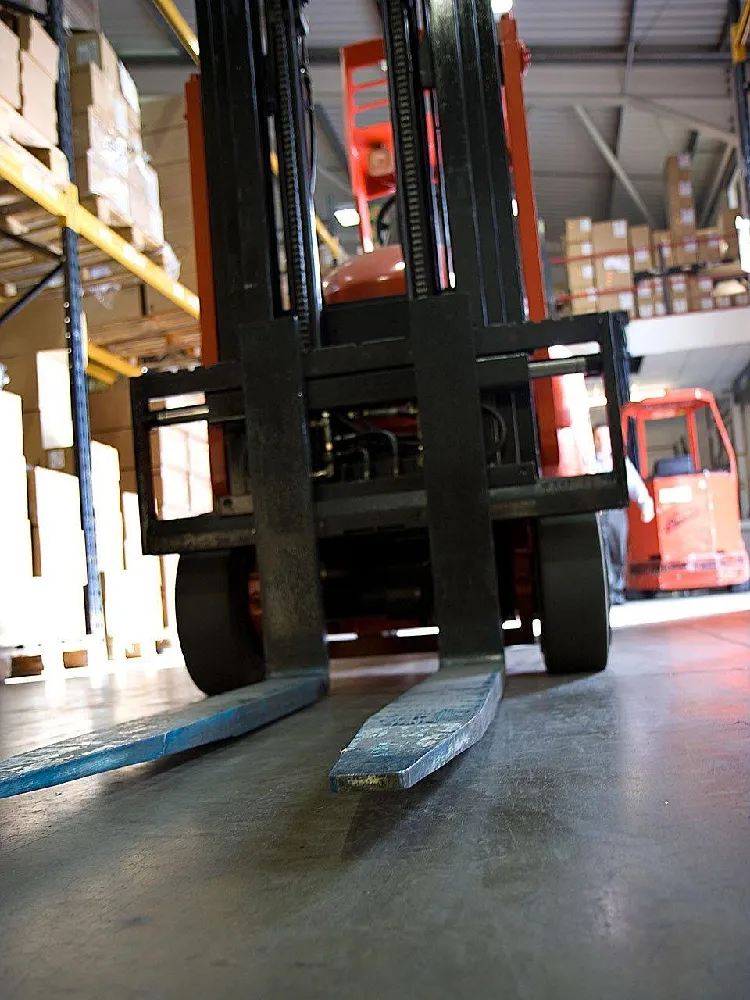
Reduces secondary inspections caused by metal in footwear and personal items at warehouse and distribution center entry points. Eliminates the need for employees and visitors to remove shoes during screening. Analyzes footwear in approximately 2 seconds without slowing shift changes or entry flow. Integrates seamlessly with walk-through metal detectors to support comprehensive, high-throughput screening.

Government and Secure Facilities
Automatic detection of weapons hidden in shoes while discriminating normal shoe metal components. Non-ionizing electromagnetic fields are completely harmless to personnel and visitors. Extension of the walk-through metal detector gate complying with stringent security requirements. Programmable random alarm functionality supports security protocols.
Key Features & Benefits
No Shoe Removal
Passengers keep shoes on during screening
10X Fewer Manual Inspections
Reduces manual shoe checks by up to 10 times
2-Second Analysis
Rapid flow rate for high-throughput checkpoints
Specifications
Shoes-On Screening
Allows individuals to keep shoes on during inspection while footwear is automatically analyzed for concealed threats. Eliminates delays and inconvenience from shoe removal while improving checkpoint efficiency. Particularly beneficial for elderly individuals, those with mobility challenges, and families with young children.
10X Reduction in Manual Shoe Inspections
Reduces the number of shoes requiring manual inspection due to metal alarms by up to 10 times. Advanced discrimination distinguishes between weapons and non-metallic components of shoes, such as eyelets, buckles, and shanks, reducing false alarms and improving checkpoint throughput.
Integrated Rapid Screening
Functions as an extension of the walk-through metal detector, integrating directly with existing gates for complete screening, including footwear analysis. Fast 2-second inspection time maintains high flow rates and efficient checkpoint operations. Automatic Operation and Multi-Lane Deployment Automatic environmental adjustment eliminates the need for calibration while maintaining consistent detection performance. Multiple units automatically synchronize when installed as close as 1 meter apart, enabling efficient multi-lane checkpoint configurations.
Reliable Environmental Performance
Designed for indoor checkpoint installations with IP20 electronics protection. Wide operating temperature range and humidity tolerance to ensure reliable operation across diverse environments.
 Download